Fact or Fiction
A note on where the record ends and the invention begins.
On Free Ground is a fictional story about fictional people, set inside a real world, and a reader has a right to know which is which. Bellwether plantation is invented; so are the Gatlins, Lily, Isaac, Liam, MacKinne, and everyone whose thoughts the book presumes to enter. But the ground they stand on is not invented, and the temptation in a book of this kind is to soften the true parts to make the invented parts easier to live with. That temptation has been resisted here. Nearly everything that constrains these characters—the laws, the prices, the paperwork, the particular cruelties—is a matter of record.
The World of the Plantation
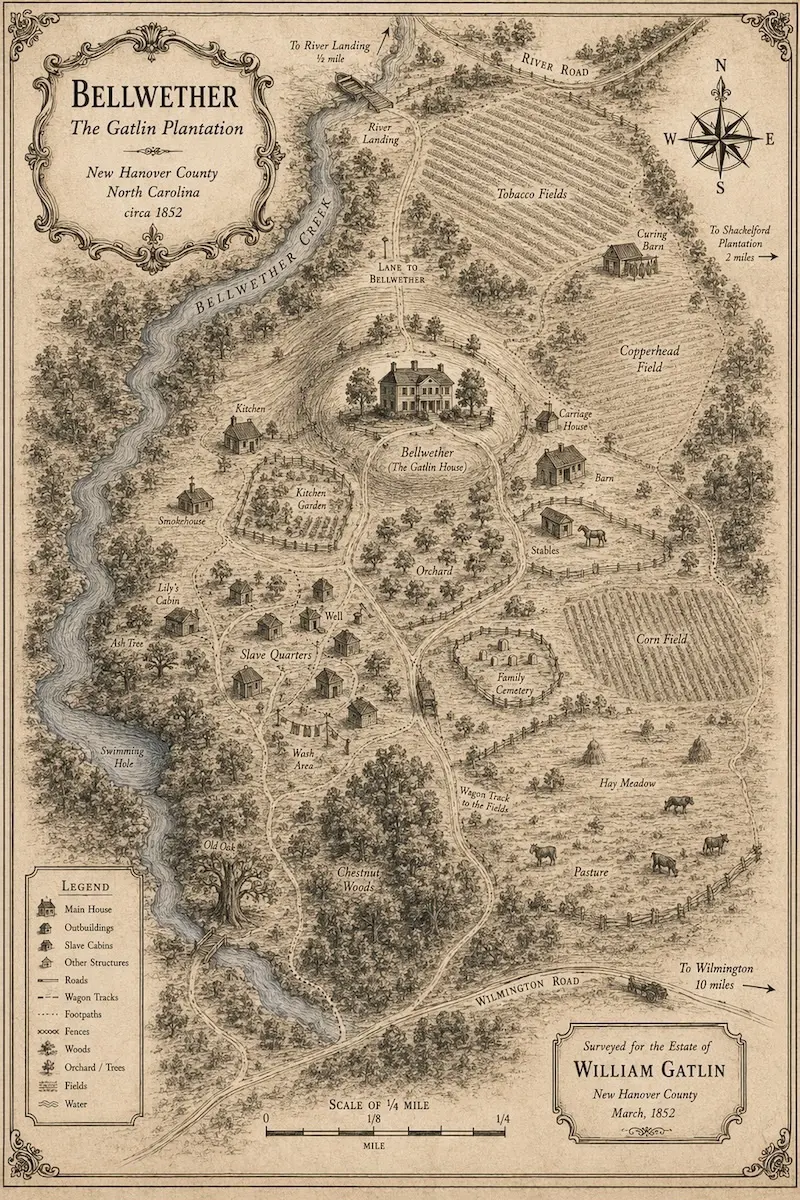
A holding the size of Bellwether, with sixty-odd enslaved people, a resident overseer, and a young master sent north to be educated, was an ordinary thing in the North Carolina piedmont and coastal plain in these years, not an extravagant one. The domestic slave trade—the sale of human beings from the worn-out tobacco country of the upper South toward the cotton and sugar frontier of the Deep South—was at its height in exactly this period, and the coffle on the public road, the auction in the county town, and the trader’s coin were the ordinary furniture of the world, not its exceptions. The threat of sale hanging over every attachment in the quarter is not a device of the plot. It was the central fact of the institution, the thing that made all the others enforceable.
The Law
The legal machinery in these pages is real and is quoted, where it is quoted, accurately. Partus sequitur ventrem—the rule that a child inherits the mother’s condition—did make Isaac property at birth by the silent operation of law, requiring no document at all, while it took a signed, witnessed, and filed deed to make him free. By the 1830s North Carolina had made manumission deliberately hard: court approval, a posted bond, and in many cases a requirement that the freed person leave the state. The written pass that could turn an ordinary errand into a crime, and the patrol empowered to demand it on any road day or night, worked as the book describes. That system did not stop at the state line: the whole length of the road north was watched, patrols and slave-catchers stopping Black travelers to demand their papers and seize anyone who could not answer for himself, so that a journey out of the South was not one border crossed but a gauntlet run mile by mile—which is why Isaac’s freedom, even on paper, is never the same thing as safety.
The Fugitive Slave Act of 1850 is likewise quoted as it stood. A federal commissioner was in fact paid ten dollars when he found a person to be a fugitive and five when he found otherwise; the accused was forbidden to testify at his own hearing; and any citizen could be commanded to assist in a capture. Liam does not exaggerate for effect when he reads these provisions in horror. He is reading the statute.
Reading, Rebellion, and Citizenship
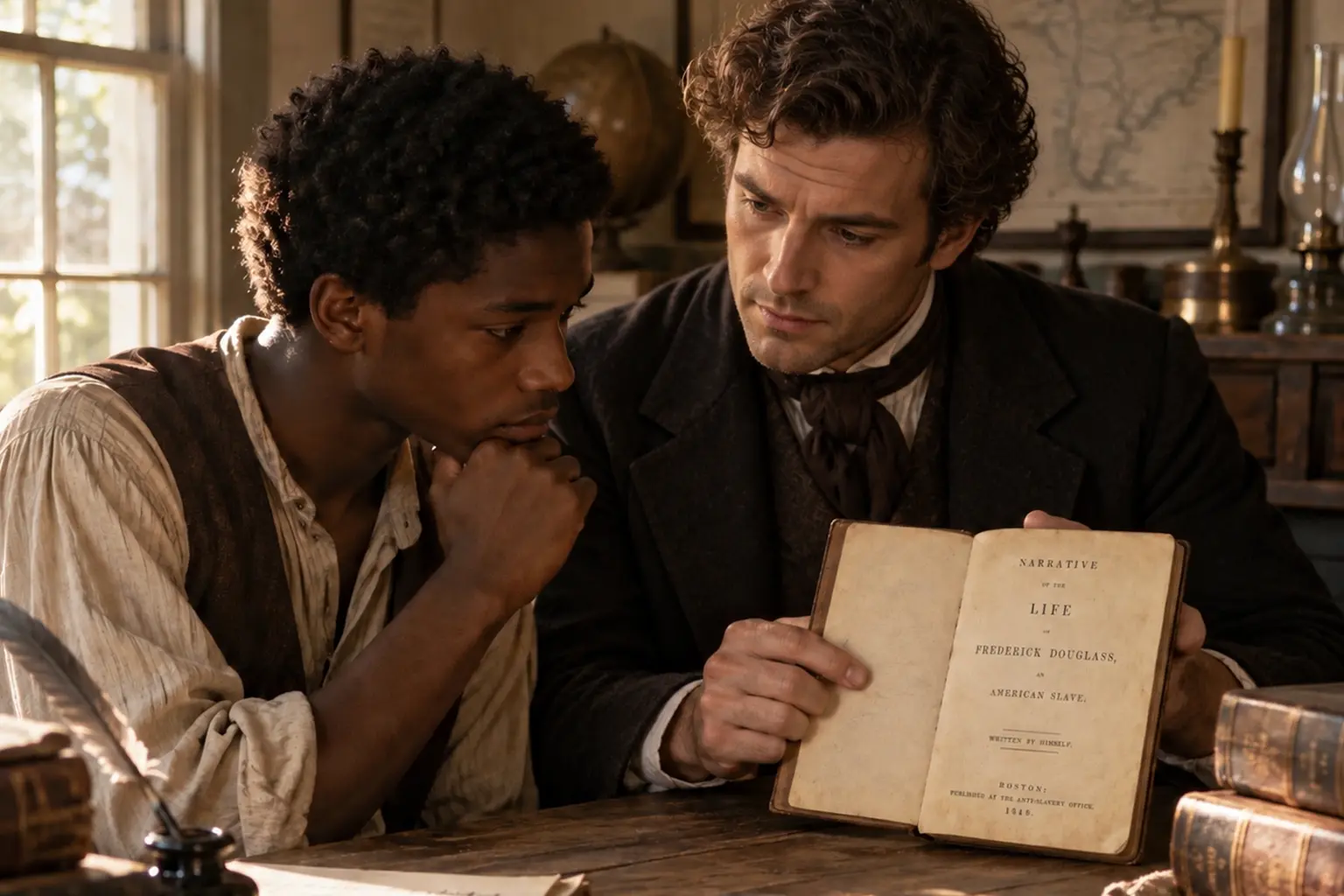
Why Isaac’s reading is a crime. The most quietly radical thing in the book is that a boy learns his letters, because in North Carolina by the time of these events that practice was against the law. The state had restricted the teaching of enslaved people as early as 1818 and then, in its 1830–31 session, passed a hardened statute making it a crime to teach any slave to read or write, or even to give one a book. For a white offender the penalty was a fine of one hundred to two hundred dollars, or imprisonment; a free person of color could be fined, imprisoned, or given up to thirty-nine lashes; and an enslaved person who taught another was to receive thirty-nine lashes. The law did not trouble to hide its reasoning. Its own preamble declares that teaching slaves to read “has a tendency to excite dissatisfaction in their minds, and to produce insurrection and rebellion.” The fear, in other words, was written into the text: a person who could read might read the wrong thing, and think, and act. When Isaac hides his literacy, he is not being unusually cautious. He is complying, at knifepoint, with the plain intent of a statute that had correctly identified reading as dangerous to the whole arrangement.
That Fear Had a Name by 1831
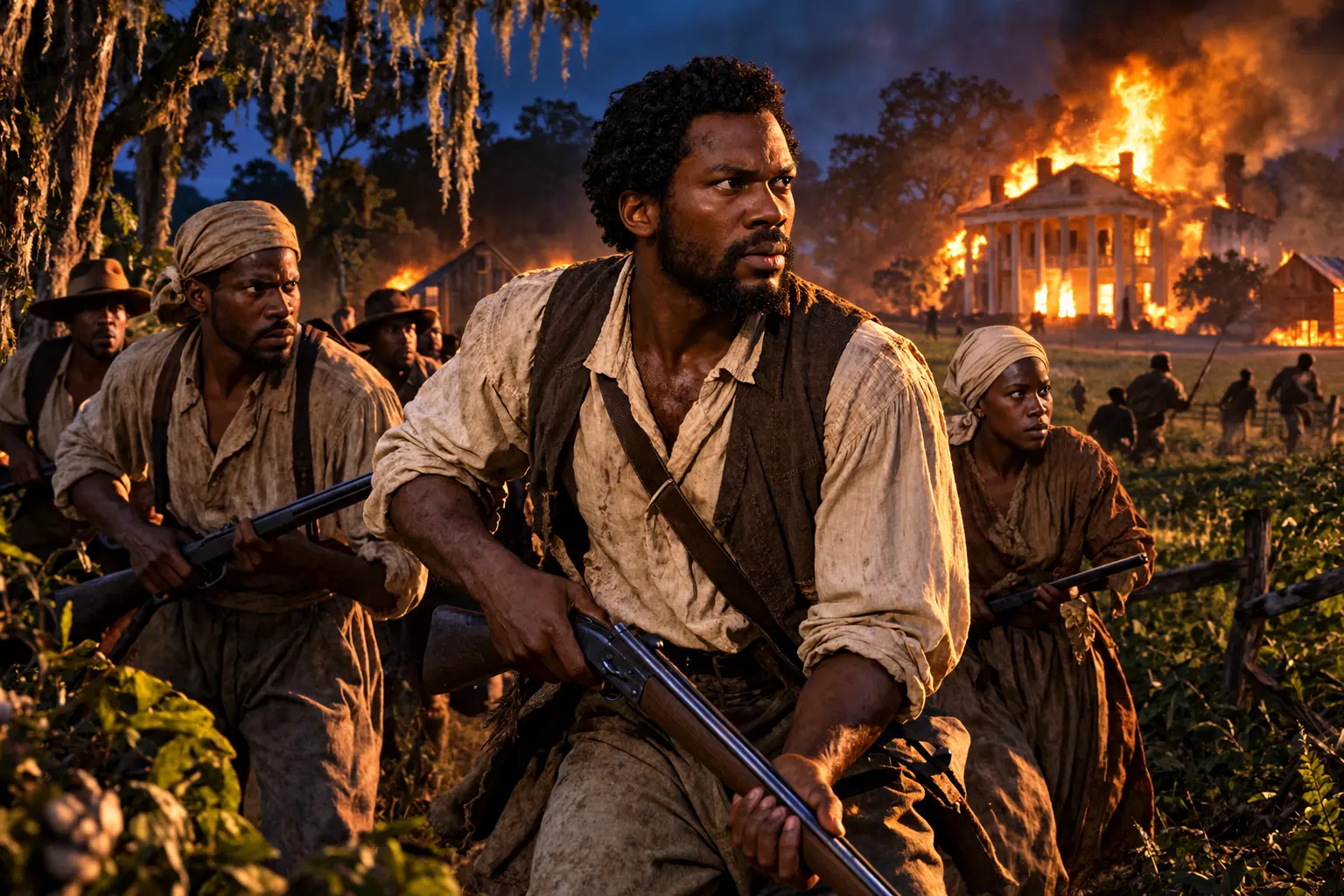
In August of that year Nat Turner—an enslaved preacher who could read, and who read Scripture for himself rather than the sanitized version his owners preferred—led the revolt in Southampton County, Virginia, twenty miles from the North Carolina line, that left some sixty white people dead and spread a wave of panic and reprisal across the whole region. The revolt did not by itself create North Carolina’s anti-literacy law, which was already on the books; what it did was confirm the law and everything like it, and slam shut whatever small latitude had survived. Across the South, in the years after Turner, the codes tightened, the patrols multiplied, and the connection the preamble had merely asserted—between a Black man’s literacy and a white household’s safety—became, in the minds of men like the ones who own Isaac, a settled and terrifying fact. That is the world Isaac reads in: one that had looked directly at an educated man who fought for his freedom, and decided the lesson was to keep the rest from learning.
A Book That Got Out
Why Isaac’s reading is a crime. The most quietly radical thing in the book is that a boy learns his letters, because in North Carolina by the time of these events that practice was against the law. The state had restricted the teaching of enslaved people as early as 1818 and then, in its 1830–31 session, passed a hardened statute making it a crime to teach any slave to read or write, or even to give one a book. For a white offender the penalty was a fine of one hundred to two hundred dollars, or imprisonment; a free person of color could be fined, imprisoned, or given up to thirty-nine lashes; and an enslaved person who taught another was to receive thirty-nine lashes. The law did not trouble to hide its reasoning. Its own preamble declares that teaching slaves to read “has a tendency to excite dissatisfaction in their minds, and to produce insurrection and rebellion.” The fear, in other words, was written into the text: a person who could read might read the wrong thing, and think, and act. When Isaac hides his literacy, he is not being unusually cautious. He is complying, at knifepoint, with the plain intent of a statute that had correctly identified reading as dangerous to the whole arrangement.
Dred Scott
In Dred Scott v. Sandford (1857), the Supreme Court, in an opinion by Chief Justice Roger Taney, held that no person of African descent—not Isaac, not Abram, not the freest Black citizen of Connecticut—could be a citizen of the United States, and that Scott therefore had no standing even to bring his suit; and it went further, striking down the Missouri Compromise and denying that Congress had any power to bar slavery from the territories. The ruling came after the close of the novel’s action, but its logic did not: it was already being argued as settled law. The book places David Daggett in New Haven precisely because Daggett had, in the 1833 Prudence Crandall trial, already instructed a jury in the reasoning Taney would later make national law: that free Black people were not citizens. What Dred Scott did in 1857 was carry that argument to its end and put the whole force of the federal government behind it—so that the freedom Isaac carries north on a piece of paper was, within two years of the story’s close, formally declared by the highest court in the land to be a freedom the nation need not recognize at all.
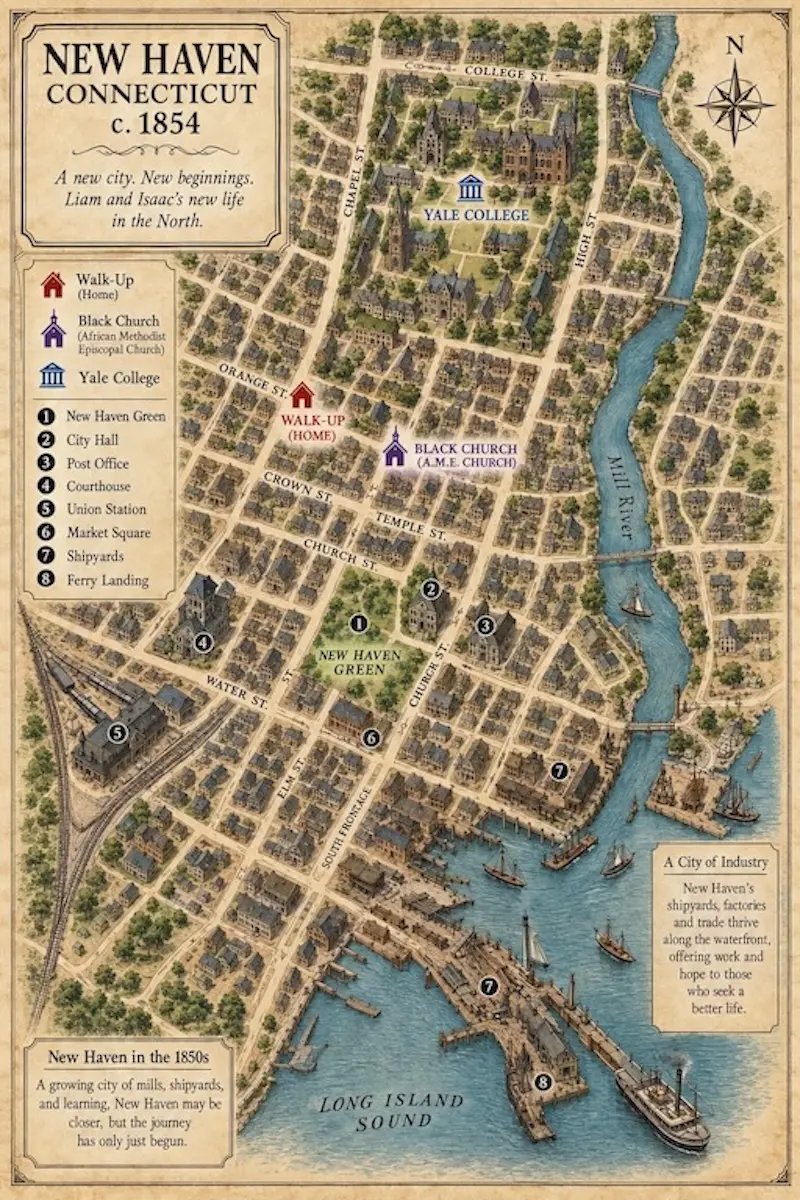
New Haven
The Northern city of the later chapters is drawn from the historical one, and its freedom is rendered as real and as fenced as it actually was. Connecticut completed its abolition of slavery in 1848, which is why Isaac can walk its streets—but the state that abolished slavery was the same state that had voted down a proposed college for Black students in 1831 by a margin of seven hundred to four. Several real figures and places stand at the edges of these chapters without being invented for the occasion: The church at the end of Temple Street where Isaac worships and around which the night work turns—the book calls it the African Congregational church; to history it is the Temple Street Congregational Church—was a real congregation, founded in 1820 and the oldest Black Congregational church in the country, long known as a haven for fugitives and, under pastors who were themselves conductors, a working station on the road north. Amos Beman was the pastor of the Temple Street African Church, as well as a Temperance lecturer, anti-slavery supporter, member of the underground railroad, and an advocate for negro suffrage in Connecticut. David Daggett—the judge and Yale law founder whose name Liam would have seen on the building each morning—led that 1831 opposition. Henry Hopper, the photographer who makes the portrait in the final chapter, was a real New Haven daguerreotypist working on Chapel Street in these years; the sitting the story imagines is invented, but the studio and the man are not. And, mentioned in passing, Macon Bolling Allen, admitted to the Maine bar in 1845 as the first Black lawyer in the United States, and Robert Morris of Boston, admitted in 1847. The Tontine Hotel was a prominent New Haven hotel established in 1824 and operated for nearly 100 years. These people and places existed and did what the story says they did. Nathaniel Wardwell, the lawyer who reads law with Isaac, did not exist, and carries the weight the real men are only asked to lean against.
What the Age Had No Word For
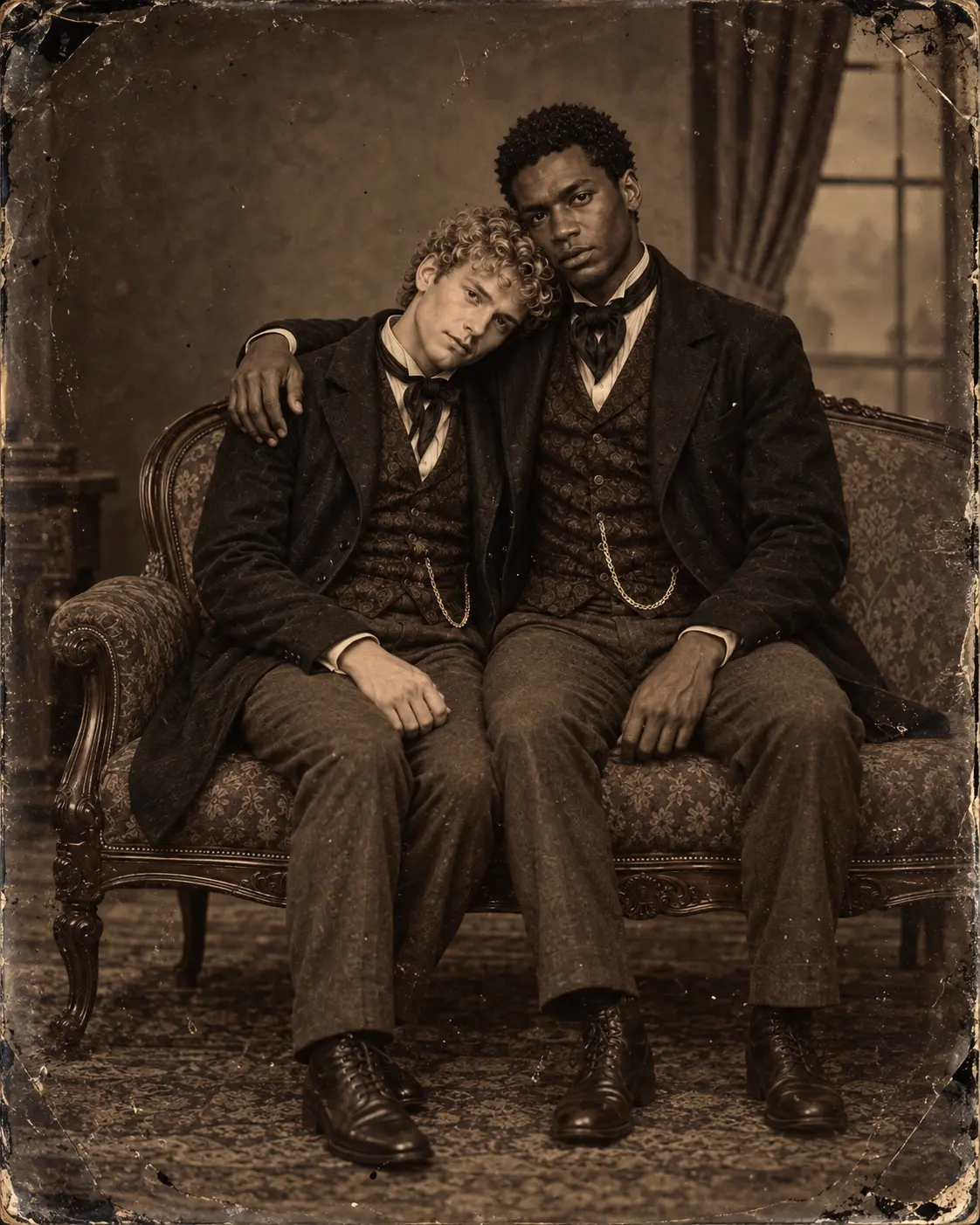
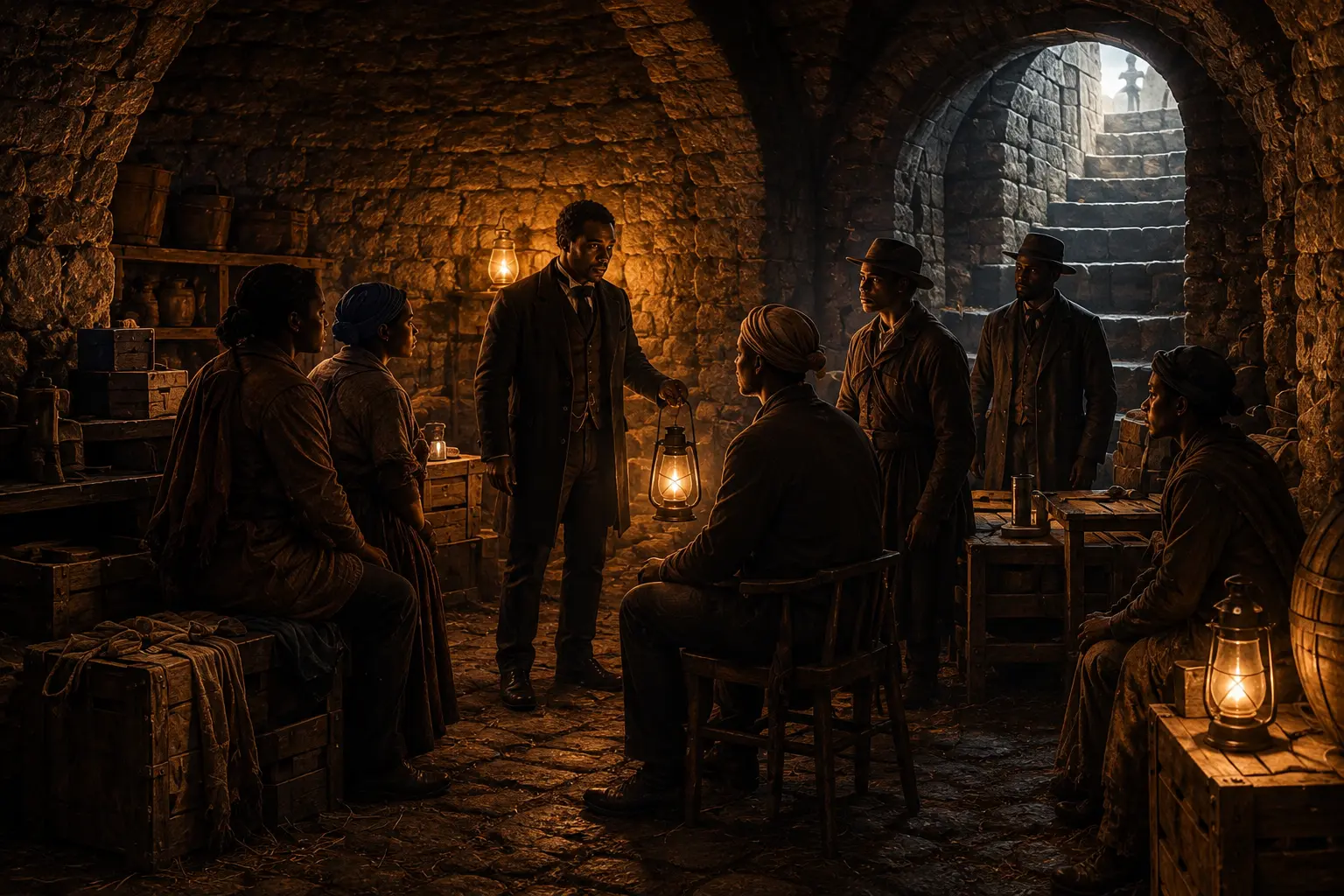
A reader may wonder whether two men in these years could have understood themselves as the book’s two men do. The honest answer is that they would have understood it differently, and the difference is itself historical. There was, in antebellum America, no concept of a homosexual—the word did not enter English until the 1890s—and so no notion of being a kind of person, no vocabulary of coming out, no community to belong to, no identity to claim or be denied. What the law and the church recognized was an act, “sodomy” or “the crime against nature,” understood as a sin or a crime any man might fall into, not as the mark of a distinct sort of man. This is why Isaac tends the distance between himself and Liam so carefully, and why the danger is described the way it is: not exposure as what they are, but the far simpler and more lethal fact that a certain nearness between two men was a hanging offense. What they feel for each other is not invented; men have loved men in every age the records reach, recorded as far back as ancient Greece and Rome. What is invented—what any novel set here must invent—is a language for it, because the age that held them did not give them one, and the silence in the record is not evidence that the thing was not there. It is evidence of what the record was built to keep out.
The things that leave no record. What the record does not preserve is the inner life—and that is precisely the territory a novel is for. There is no ledger of what Isaac thought while he read Latin he was forbidden to know, no deed recording what passed between two people in a cabin at night, no county book with a column for love or for grief. Where this book is most fully invented, it is invented in the one place the documents are silent, and it is conceived in order to insist that the silence was never the same thing as absence. The people held in that silence had, as everyone has, the full furniture of a human interior—fear and appetite and wit and faith and plans—however, little of it the papers found worth writing down..
The particular words of that world—the coffle and the cooper, the hoecake and the lightwood, manumission and partus sequitur ventrem—are explained in the Glossary.